
Extreme weather is no longer a rare event—it’s a reality we face daily. With Citizen Weather Tech, you can receive real-time flood and storm alerts directly on your mobile device, keeping you and your loved ones safe.

🌩️ Why Weather Technology Matters More Than Ever
Climate patterns have shifted dramatically over the past decade. What were once considered “hundred-year storms” now seem to occur with alarming regularity. Flash floods devastate communities with little warning, while severe thunderstorms cause billions in property damage annually. Traditional weather forecasting, while valuable, often lacks the hyper-local precision needed to protect individuals at the neighborhood level.
This is where citizen weather technology revolutionizes our approach to storm preparedness. Unlike conventional meteorological services that rely solely on government weather stations spread miles apart, citizen weather networks harness data from thousands of personal weather stations installed in backyards, on rooftops, and throughout communities worldwide.
The result? Unprecedented accuracy in predicting when and where dangerous weather will strike. These crowdsourced networks create a dense web of real-time atmospheric data that traditional systems simply cannot match. For residents in flood-prone areas or regions susceptible to severe storms, this technological advancement represents the difference between adequate warning time and catastrophic surprise.
Understanding Citizen Weather Networks
Citizen weather technology operates on a simple yet powerful principle: collective intelligence. When thousands of individuals contribute meteorological data from their locations, the aggregated information creates an incredibly detailed weather map that updates constantly.
These personal weather stations measure critical parameters including rainfall intensity, barometric pressure, temperature, humidity, wind speed, and wind direction. Advanced algorithms process this data instantaneously, identifying dangerous patterns that indicate approaching storms or flood conditions.
The Technology Behind Real-Time Alerts
Modern citizen weather platforms utilize sophisticated machine learning algorithms that analyze millions of data points simultaneously. These systems don’t just report current conditions—they predict future weather events with remarkable precision by recognizing patterns that precede severe weather.
When rainfall rates exceed safe thresholds in your area, when barometric pressure drops suddenly indicating an approaching storm system, or when wind patterns suggest tornado formation, the system triggers immediate alerts. These notifications arrive on your smartphone within seconds, providing crucial minutes or hours to take protective action.
The geographic specificity of these alerts surpasses traditional weather warnings. Rather than broad county-wide alerts that may not apply to your specific location, citizen weather technology can pinpoint threats down to the neighborhood or even street level.
⚡ How Flood Alerts Can Save Lives and Property
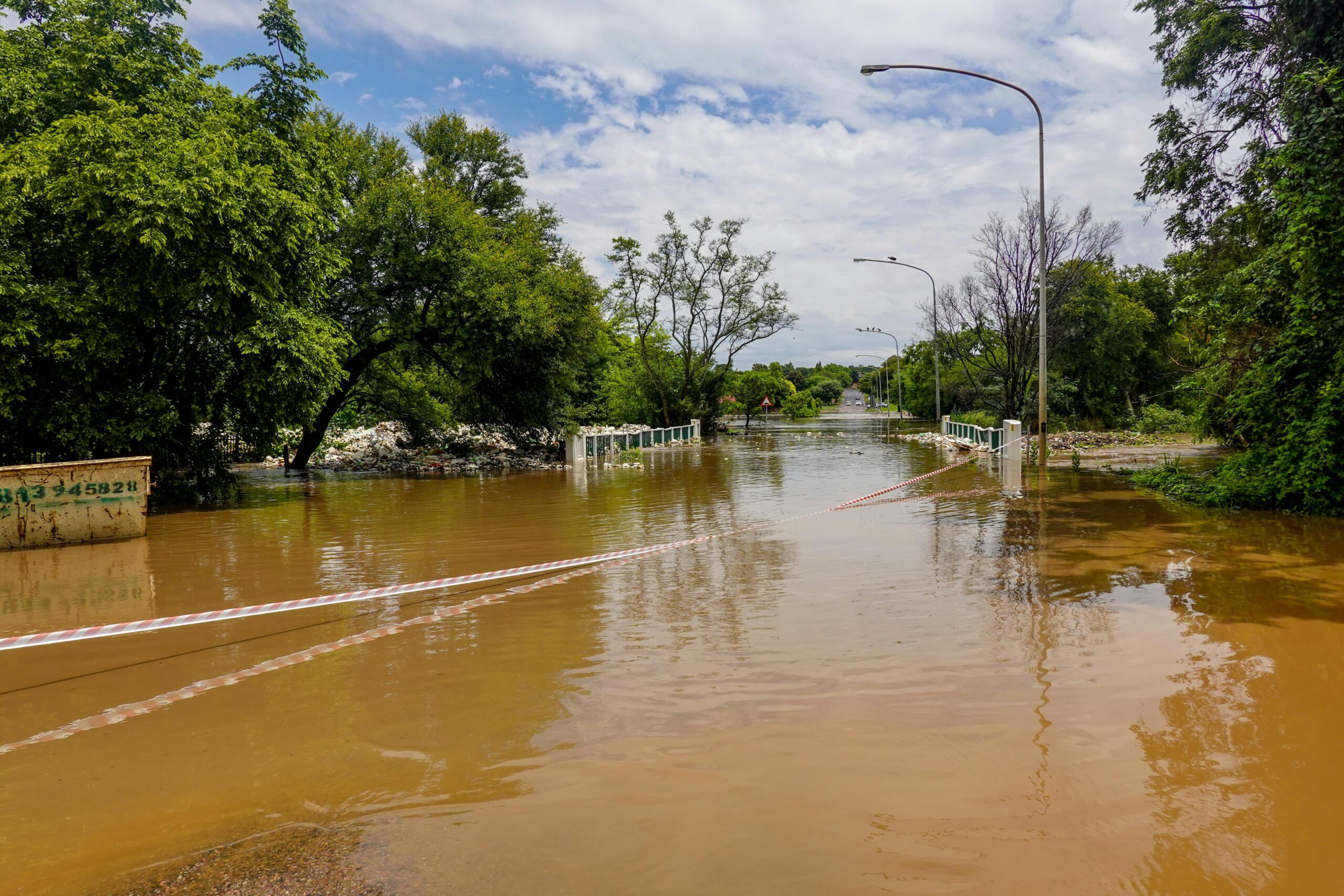
Flash flooding kills more people annually than any other weather-related phenomenon. The reason is simple: flooding occurs with devastating speed, often catching residents completely unprepared. A peaceful afternoon can transform into a life-threatening emergency within minutes when heavy rainfall overwhelms drainage systems.
Citizen weather flood alerts monitor rainfall accumulation in real-time across your specific area. The system understands local topography, drainage patterns, and historical flood data. When conditions indicate potential flooding, you receive immediate notification with actionable information.
What Makes Flood Alerts Effective
Effective flood warning systems must balance sensitivity with specificity. Alert fatigue—when people receive too many false alarms—causes residents to ignore warnings when real danger approaches. Citizen weather technology addresses this challenge through precision targeting.
The system considers multiple factors when issuing flood alerts:
- Current rainfall rate and duration in your immediate vicinity
- Soil saturation levels from previous precipitation
- Watershed conditions upstream from your location
- Storm movement patterns and projected path
- Local drainage capacity and known problem areas
- Real-time reports from other users in affected zones
This comprehensive analysis means you receive warnings only when flooding genuinely threatens your area, with enough advance notice to move vehicles to higher ground, secure valuables, or evacuate if necessary.
Storm Alert Systems: Your Digital Safety Net
Severe storms bring multiple hazards—lightning, damaging winds, hail, and tornadoes. Each threat requires different protective responses, making specific, timely information essential for effective storm safety planning.
Advanced citizen weather platforms categorize storm alerts by severity and type. A severe thunderstorm watch indicates conditions favorable for dangerous storms. A warning means severe weather has been detected and immediate action is necessary. Storm tracking features show you exactly where dangerous weather is located and which direction it’s moving.
Interpreting Storm Data for Better Decisions
Raw weather data means little without context. Modern weather apps transform complex meteorological information into clear, actionable guidance. Color-coded maps show precipitation intensity, with bright red indicating heaviest rainfall or hail. Lightning strike maps reveal electrical storm activity near your location.
Wind speed indicators help you determine whether conditions are simply unpleasant or genuinely dangerous. Sustained winds above 40 mph can cause tree damage and power outages. Winds exceeding 60 mph create structural hazards that require immediate shelter.
Temperature and humidity data might seem less critical during active storms, but these measurements help predict storm evolution. Rising dew points combined with unstable atmospheric conditions often precede severe weather outbreaks.
🏘️ Community-Based Weather Intelligence
One of citizen weather technology’s most powerful features is its community aspect. Users don’t just receive data—they contribute observations that help neighbors prepare for approaching weather.
When you report flooding on your street, that information immediately alerts other residents in your neighborhood. If you photograph hail damage, nearby users see evidence of storm severity heading their direction. This crowdsourced intelligence creates a collective early warning system more responsive than any institutional approach.
The Power of Local Weather Observations
Professional meteorologists work with sophisticated radar and satellite systems, but they cannot see ground-level conditions everywhere simultaneously. Citizen observers fill this critical gap by reporting what’s actually happening at specific locations.
Is that green color on radar actually large hail or just heavy rain? A citizen report confirms the reality. Has street flooding begun in low-lying areas? Local observations provide this vital intelligence before traditional monitoring systems detect the problem.
This community intelligence proves especially valuable in areas with complex terrain where weather varies dramatically across short distances. Mountain communities, coastal regions, and urban heat islands all benefit from hyper-local weather reporting that institutional networks cannot provide.
Choosing the Right Weather Alert Platform
Not all weather apps offer equal protection. When selecting a citizen weather technology platform, several factors determine its effectiveness for your specific needs.
Coverage density matters tremendously. A platform might boast millions of users, but if few personal weather stations operate near your location, data quality suffers. Look for services with strong representation in your region.
Essential Features for Comprehensive Protection
Customizable alert settings allow you to tailor notifications to your risk tolerance and specific concerns. Parents might want immediate alerts for any approaching storm during school hours. Others prefer notifications only for severe weather events.
Geographic alert zones let you monitor multiple locations simultaneously. You can receive alerts for your home, workplace, children’s schools, and elderly relatives’ addresses—all from a single application.
Historical weather data provides context for current conditions. Has your area received above-average rainfall this month? That information changes flood risk calculations significantly.
📱 Maximizing Your Weather App’s Effectiveness
Simply downloading a weather application isn’t enough. Proper configuration ensures you receive critical alerts while avoiding notification overload that leads to alert fatigue.
Start by enabling location services so the app can pinpoint your exact position. This seems obvious, but many users inadvertently restrict location access, forcing the app to provide only general area forecasts.
Configure notification priorities carefully. Set severe weather alerts to override “Do Not Disturb” settings—dangerous weather doesn’t respect your sleep schedule. Consider allowing these critical notifications to vibrate and make sound even when your phone is silenced.
Creating a Weather-Ready Household
Technology provides information, but preparation determines survival. Use weather alerts as triggers for predetermined action plans rather than moments for decision-making under stress.
Develop clear protocols: When a flash flood warning arrives, everyone knows to move immediately to the second floor. When tornado warnings sound, the family gathers in the basement safe room. When severe thunderstorms approach, outdoor activities cease and everyone moves inside.
Practice these responses so they become automatic. During actual emergencies, confusion and panic impair judgment. Rehearsed responses happen smoothly even under stress.
Weather Alerts for Outdoor Activities and Travel
Recreational activities and travel expose you to weather hazards in unfamiliar locations where you don’t understand local weather patterns. Citizen weather technology extends your safety net wherever you go.
Hikers can monitor conditions along trails miles from civilization. Boaters receive warnings about sudden thunderstorms developing over open water. Travelers driving through unfamiliar territory get advance notice of dangerous conditions ahead.
Planning Around Weather Forecasts
Hour-by-hour forecasts help you schedule outdoor activities during safe weather windows. That morning hike might be perfectly safe if you finish before afternoon thunderstorms develop. The graduation party can proceed if severe weather holds off until evening.
Extended forecasts allow long-term planning while maintaining realistic expectations about forecast accuracy. Seven-day outlooks provide general guidance for trip planning, understanding that specifics will sharpen as events approach.
🌊 Understanding Flood Risk Beyond Riverine Flooding
Most people associate flooding with overflowing rivers and streams, but urban flooding represents an equally serious threat that citizen weather technology helps address.
Impervious surfaces—pavement, roofs, compacted soil—prevent rainfall absorption. During heavy precipitation, water has nowhere to go except across the surface, overwhelming storm drains and creating flash flooding in unexpected locations.
Low-lying parking lots become lakes within minutes. Underpasses fill with deadly speed, trapping vehicles and drowning occupants. Even modest rainfall rates can create hazardous conditions when drainage systems reach capacity.
Coastal Storm Surge Considerations
Coastal residents face compounded flooding threats when storms coincide with high tides. Storm surge—seawater pushed inland by hurricane-force winds—can inundate coastal areas miles from shore.
Citizen weather networks near coastlines integrate tide predictions with storm forecasts, providing clear warning when this dangerous combination threatens. Evacuation notices become more meaningful when you understand the specific flooding timeline for your neighborhood.
The Future of Citizen Weather Technology
Weather forecasting continues evolving rapidly as sensor technology improves and machine learning algorithms grow more sophisticated. The next generation of citizen weather platforms will provide even more precise, actionable intelligence.
Artificial intelligence systems are learning to recognize subtle atmospheric patterns that precede severe weather. These systems may soon predict tornado formation minutes before radar signatures become apparent, providing crucial additional warning time.
Integration with smart home systems promises automated protective responses. When flash flood warnings arrive, your smart home could automatically shut off basement electrical systems, close foundation vents, and alert you wherever you are.
⚠️ Taking Action: Implementing Your Weather Alert Strategy
Knowledge without action provides no protection. The most sophisticated weather alert system fails if you don’t respond appropriately to warnings.
Start today by downloading a reputable citizen weather application and configuring alerts for your specific location. Spend time exploring the interface so you understand how to interpret weather data displays during stressful situations.
Share weather safety information with family members, neighbors, and coworkers. Community resilience grows when everyone understands weather threats and appropriate responses.
Review and update your emergency supply kit. Three days of water, non-perishable food, medications, flashlights, batteries, and first aid supplies should be readily accessible. Include important documents in waterproof containers.
Identify safe rooms in your home for different weather scenarios. Basements or interior rooms on the lowest floor provide tornado shelter. Upper floors offer flood refuge. Know which room serves which purpose.
🛡️ Staying Vigilant in an Era of Climate Uncertainty
Weather has always posed risks, but changing climate patterns have introduced new uncertainty into forecasting. Historic weather patterns that guided predictions for generations no longer apply reliably.
This unpredictability makes real-time weather monitoring more critical than ever. You cannot rely on assumptions that “flooding never happens here” or “we rarely see severe storms.” Citizen weather technology helps you respond to actual current conditions rather than historical expectations.
The investment in weather awareness pays dividends in safety, property protection, and peace of mind. When severe weather threatens, you’ll have the information and time needed to protect what matters most.
Extreme weather will continue challenging communities worldwide. Those who embrace modern weather technology, combine it with solid emergency planning, and remain alert to changing conditions will navigate these challenges most successfully. Your safety begins with awareness—and citizen weather technology puts that awareness literally at your fingertips, ready whenever storms approach.