
In an era where technology blurs the boundaries between public safety and personal privacy, neighborhood data collection stands at a critical crossroads demanding ethical scrutiny.

🏘️ The Digital Transformation of Community Surveillance
Neighborhood watch programs have evolved dramatically from their humble origins of residents simply keeping an eye on each other’s properties. Today’s communities employ sophisticated digital tools that capture, store, and analyze vast amounts of information about residents, visitors, and daily activities. This transformation brings unprecedented security capabilities but also raises fundamental questions about privacy rights and ethical boundaries.
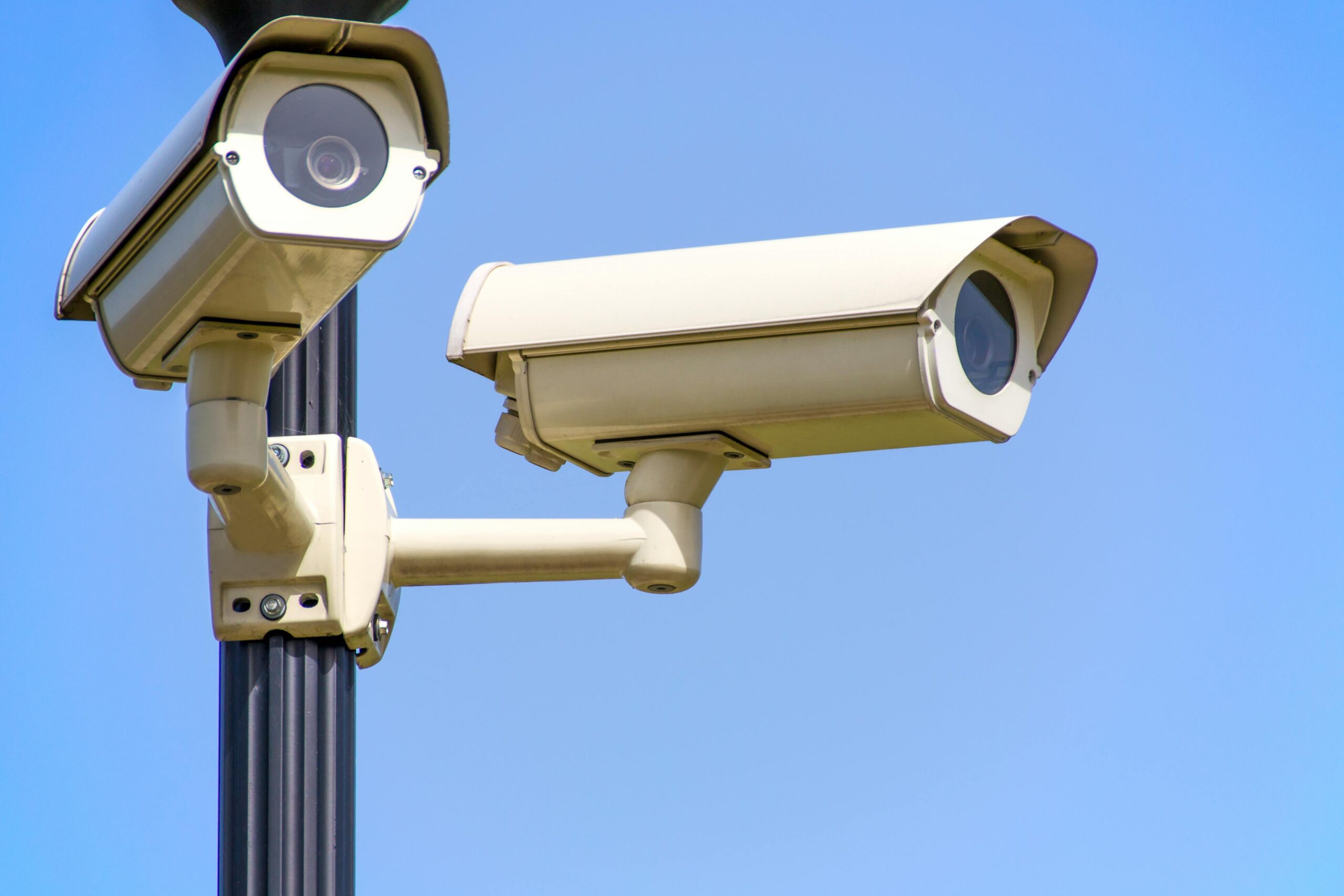
Smart doorbells with cameras, neighborhood social networks, license plate readers, and shared security footage have become commonplace in residential areas worldwide. These technologies generate massive datasets that reveal patterns of behavior, movement, and personal habits. While proponents argue these tools deter crime and enhance community safety, critics warn of creating surveillance states where privacy becomes an increasingly rare commodity.
The tension between safety and privacy isn’t new, but the scale and sophistication of modern data collection amplify both its potential benefits and risks. Understanding this landscape requires examining not just the technology itself, but the ethical frameworks, legal boundaries, and community values that should guide its implementation.
Understanding What’s Being Collected and Why
Modern neighborhood data collection encompasses far more than most residents realize. Video footage represents just the visible tip of an informational iceberg. Behind the scenes, systems aggregate data about vehicle movements, visitor patterns, package deliveries, and even ambient noise levels. Some platforms incorporate facial recognition, while others track WiFi-enabled devices passing through an area.
Community apps have transformed neighbors into citizen journalists, documenting suspicious activities, sharing crime reports, and posting real-time alerts. While this crowdsourced approach democratizes safety information, it also creates permanent digital records of observations that may be incomplete, biased, or simply wrong.
The Motivation Behind Community Data Gathering
Several compelling factors drive neighborhoods toward comprehensive data collection. Crime prevention tops most lists, with residents seeking to protect their families and property. The presence of visible cameras alone can deter potential criminals, while recorded footage helps law enforcement investigate incidents when they do occur.
Property values also factor into the equation. Communities perceived as safer often command higher real estate prices, creating economic incentives for robust security measures. Additionally, the psychological comfort of feeling protected shouldn’t be underestimated—many residents sleep better knowing their neighborhood maintains watchful digital eyes.
Insurance considerations increasingly influence decisions too. Some providers offer reduced premiums for homes with security systems, while neighborhoods with lower crime rates benefit collectively from better insurance rates.
⚖️ The Privacy Paradox in Public Spaces
One of the most challenging aspects of neighborhood data collection involves defining reasonable expectations of privacy in residential areas. Streets and sidewalks constitute public spaces where legal privacy protections diminish significantly. However, the pervasiveness of modern surveillance technology captures details that would have remained unnoticed in previous generations.
A person walking down the street in 1990 might have been observed by a few neighbors glancing out windows. That same walk today could be recorded by dozens of cameras, with footage potentially stored indefinitely, analyzed by algorithms, and shared across digital platforms. The qualitative difference between casual human observation and systematic digital surveillance raises profound ethical questions.
Children and Vulnerable Populations
Particular concerns arise regarding minors whose images and patterns appear in neighborhood databases without meaningful consent. Children playing outside, walking to school, or visiting friends become subjects of surveillance networks they didn’t choose and cannot opt out of. Similar vulnerabilities affect domestic violence survivors, individuals with stalkers, and others whose safety depends on maintaining some degree of anonymity.
The permanence of digital records compounds these concerns. A teenager’s youthful mistakes, captured on neighborhood cameras and shared in community forums, could resurface years later with potentially life-altering consequences. Once information enters the digital ecosystem, controlling its spread becomes nearly impossible.
Legal Frameworks and Regulatory Gaps
Legal protections surrounding neighborhood data collection vary dramatically by jurisdiction, creating a patchwork of regulations that often fail to keep pace with technological advancement. In the United States, the Fourth Amendment protects against unreasonable government searches, but offers limited protection against private surveillance conducted by homeowners associations or individual residents.
European Union residents benefit from GDPR (General Data Protection Regulation) provisions that establish stricter requirements for data collection, storage, and sharing. However, even comprehensive privacy laws struggle with the unique challenges of residential surveillance where private property rights intersect with public space monitoring.
The Role of Law Enforcement Access
A particularly contentious issue involves law enforcement agencies requesting or requiring access to privately collected neighborhood data. Some security companies have established partnerships with police departments, creating streamlined processes for evidence sharing. While this cooperation can aid criminal investigations, it effectively deputizes residents as surveillance agents and raises constitutional questions about warrantless searches.
The voluntariness of such sharing deserves scrutiny. When entire neighborhoods adopt platforms that facilitate police access, individual residents who prefer not to participate may face social pressure or even homeowner association requirements to comply. This collective approach can override personal privacy preferences and blur the lines between community safety initiatives and mass surveillance infrastructure.
🛡️ Ethical Principles for Responsible Data Collection
Navigating the complex terrain of neighborhood data collection requires clear ethical principles that balance legitimate security interests with fundamental privacy rights. Several core concepts should guide community decision-making in this domain.
Transparency and Informed Consent
Communities must be honest about what data they collect, how they use it, and who has access. Residents deserve clear information about surveillance systems operating in their neighborhoods. When possible, meaningful consent should be obtained, recognizing that true choice requires viable alternatives and freedom from coercion.
Transparency extends to algorithm usage as well. If communities employ automated systems for license plate reading, facial recognition, or pattern detection, residents should understand these technologies’ capabilities and limitations, including potential biases and error rates.
Purpose Limitation and Data Minimization
Data collection should be tailored to specific, legitimate purposes rather than adopting a “collect everything” approach. If the goal is deterring package theft, do cameras need to record continuously or would motion-activated recording suffice? Does footage need retention for months or would a shorter period accomplish security objectives?
The principle of data minimization—collecting only what’s necessary for stated purposes—helps protect privacy while still enabling security functions. Communities should regularly evaluate whether their data practices match their actual needs or if they’ve drifted toward excessive collection.
Equity and Non-Discrimination
Surveillance systems must not perpetuate or amplify existing societal biases. Research has repeatedly demonstrated that facial recognition technologies perform less accurately on people of color, particularly women with darker skin tones. Deploying such systems without accounting for these disparities raises serious justice concerns.
Similarly, communities should examine whether surveillance concentrations unfairly target certain demographics. Are cameras disproportionately focused on rental properties versus owner-occupied homes? Do alert systems generate more notifications about people of color in predominantly white neighborhoods? Addressing these questions honestly is essential for ethical data collection.
Building Community Consensus and Governance Structures
Technical capabilities alone cannot determine appropriate neighborhood data practices. Communities need inclusive processes for making decisions that reflect diverse perspectives and values. Democratic governance mechanisms help ensure that surveillance systems serve community interests rather than imposing the preferences of the most vocal or technologically sophisticated residents.
Establishing Clear Policies and Oversight
Neighborhoods should develop written policies addressing data collection, access, retention, sharing, and security. These documents create accountability and provide reference points when disputes arise. Key policy elements include:
- Specific enumeration of what data types are collected and why
- Clear retention schedules with automatic deletion timelines
- Defined processes for residents to access data about themselves
- Protocols for law enforcement requests and community notification
- Regular audits to ensure compliance with stated policies
- Mechanisms for residents to raise concerns or file complaints
Oversight committees representing diverse neighborhood stakeholders can monitor implementation and recommend policy adjustments as technologies and community needs evolve. Including residents with privacy expertise, legal knowledge, and civil liberties perspectives alongside security-focused members creates balanced decision-making.
🔒 Technical Safeguards and Security Measures
Even well-intentioned data collection creates risks if inadequate security protections leave information vulnerable to breaches, unauthorized access, or misuse. Communities must prioritize cybersecurity as seriously as physical security.
Encryption and Access Controls
All neighborhood data should be encrypted both in transit and at rest, protecting it from interception or theft. Access should follow the principle of least privilege, granting individuals only the minimum permissions necessary for their roles. Multi-factor authentication adds another security layer, making unauthorized access more difficult even if passwords are compromised.
Regular security audits can identify vulnerabilities before malicious actors exploit them. Communities should also develop incident response plans outlining steps to take if breaches occur, including resident notification protocols and remediation procedures.
Decentralization and Local Storage
Where feasible, storing data locally rather than in cloud systems controlled by third-party companies reduces exposure. If a homeowner’s security camera stores footage on a device in their home rather than uploading it to corporate servers, they maintain greater control and limit the number of entities with potential access.
However, local storage creates its own challenges, including vulnerability to physical theft or damage. Communities must weigh these trade-offs based on their specific circumstances and risk tolerances.
The Human Element: Social Dynamics and Neighborhood Relations
Technology’s impact on community social fabric deserves careful consideration. Surveillance systems can affect how neighbors interact, potentially fostering suspicion rather than trust. When residents view each other primarily through the lens of security footage and suspicious activity reports, the informal social bonds that traditionally strengthened neighborhoods may weaken.
Avoiding Vigilante Mindsets
Community safety platforms can inadvertently encourage vigilante behavior when members take enforcement into their own hands rather than involving appropriate authorities. Posted footage of alleged wrongdoing sometimes leads to online mob justice, with individuals publicly accused before any investigation confirms facts.
False accusations carry serious consequences. Someone misidentified as a suspect may face harassment, reputational damage, or worse. Communities must establish clear norms discouraging speculation and emphasizing that security systems supplement rather than replace professional law enforcement.
📊 Evaluating Effectiveness: Does It Actually Work?
Despite substantial investments in neighborhood surveillance infrastructure, evidence regarding its effectiveness remains mixed. Some studies show modest crime reduction in areas with visible cameras, while others find no significant impact or even displacement effects where crime simply moves to adjacent neighborhoods without surveillance.
Communities should approach effectiveness claims critically, demanding evidence rather than accepting vendor promises at face value. Questions to consider include:
- Has crime actually decreased since implementing surveillance systems?
- Do cameras prevent incidents or merely capture footage afterward?
- What opportunity costs exist—could resources achieve better results through alternative approaches like improved lighting or community programs?
- Are surveillance systems addressing root causes of crime or just symptoms?
Regular evaluation helps communities determine whether their data collection practices deliver promised benefits or if alternative strategies might prove more effective while respecting privacy concerns.
Alternatives and Complementary Approaches
Technology-focused solutions shouldn’t crowd out traditional community-building activities that enhance safety through social connection. Organized neighborhood events, welcome committees for new residents, and informal networks of neighbors who know each other create natural surveillance through human presence and mutual care.
Environmental Design Principles
Crime Prevention Through Environmental Design (CPTED) offers evidence-based strategies that improve safety without intensive data collection. Proper lighting, clear sightlines, maintained properties, and thoughtful landscaping make neighborhoods less attractive to criminals while enhancing livability for residents.
These approaches complement technological systems or may even reduce reliance on them. A well-lit street with active pedestrian traffic provides natural security that cameras cannot replicate.
🌟 Charting a Path Forward: Practical Recommendations
Communities navigating privacy and ethics in neighborhood data collection can take concrete steps to protect both safety and civil liberties. Start by conducting a thorough inventory of existing data collection practices, including both formal systems and informal resident activities. Understand the full scope before making decisions about future directions.
Engage diverse stakeholders in meaningful dialogue about community values and priorities. Host forums where residents can voice concerns, ask questions, and participate in shaping policies. Ensure these conversations include renters, homeowners, long-time residents, and newcomers; young families and elderly residents; and people representing various racial, ethnic, and socioeconomic backgrounds.
Develop written policies before implementing new surveillance technologies rather than trying to create governance structures retrospectively. Prevention proves easier than remediation when privacy violations have already occurred.
Education and Awareness
Many residents lack understanding about how modern data collection works, what information exists about them, and what rights they possess. Educational initiatives can empower community members to make informed decisions and advocate for their interests. Workshops on digital literacy, privacy protection, and security technology help create knowledgeable constituencies capable of meaningful participation in governance decisions.
Communities should also educate themselves about legal requirements and best practices from other neighborhoods that have navigated similar challenges. Learning from others’ successes and mistakes accelerates progress and helps avoid predictable pitfalls.
Embracing Nuance in an Complex Landscape
The intersection of privacy and security in neighborhood data collection resists simple solutions or absolute positions. Recognizing legitimate interests on multiple sides—residents’ safety concerns, privacy advocates’ warnings, law enforcement’s investigative needs, and technology companies’ business models—enables more sophisticated approaches than binary thinking allows.
Context matters enormously. A gated community with a single entrance may reasonably implement different practices than a neighborhood with multiple public access points. Dense urban environments present different challenges than suburban or rural areas. Customized solutions reflecting specific circumstances prove more effective than one-size-fits-all approaches.
Perhaps most importantly, communities should remain flexible and willing to adjust as technologies evolve, social norms shift, and lessons emerge from experience. Regular policy reviews ensure practices don’t become outdated or continue unnecessarily once initial conditions change.
🏡 The Neighborhood We Want to Live In
Ultimately, decisions about neighborhood data collection reflect deeper questions about the communities we aspire to create. Do we want neighborhoods where residents feel safe because they know and trust their neighbors, or because cameras watch everyone’s movements? Must we choose between these visions, or can thoughtful approaches achieve both security and privacy?
The answers vary by community values and circumstances, but the questions themselves deserve serious consideration. Technology offers powerful tools that can enhance residential life or undermine the very qualities that make neighborhoods desirable places to live. The difference lies not in the tools themselves but in how thoughtfully and ethically we deploy them.
Guarding the gates means more than protecting property from external threats. It means safeguarding the privacy, dignity, and civil liberties that allow communities to flourish. By approaching neighborhood data collection with clear ethical principles, robust governance, technical sophistication, and genuine respect for diverse perspectives, we can build safer communities without sacrificing the freedoms that make them worth protecting.
The path forward requires ongoing vigilance, honest dialogue, and willingness to prioritize long-term community health over short-term convenience. Those who undertake this work engage in essential democratic practice, shaping how technology integrates into daily life while preserving human values that no algorithm can replicate.