
Natural ventilation transforms modern architecture by reducing energy consumption, improving air quality, and creating healthier indoor environments through strategic airflow design.

🌬️ The Science Behind Natural Ventilation in Large Spaces
Natural ventilation operates on fundamental principles of physics: warm air rises while cool air descends, creating pressure differentials that drive airflow through buildings. In spacious atriums and open floor plans, these principles become particularly powerful, offering opportunities to ventilate extensive areas without mechanical systems. Understanding these dynamics enables architects and building managers to harness natural forces effectively.
The stack effect, or chimney effect, represents the primary driver of natural ventilation in tall spaces. As interior air warms, it becomes less dense and rises toward ceiling heights. In atriums, this creates significant vertical air movement that can be channeled through strategically placed openings. The temperature difference between indoor and outdoor air amplifies this effect, with greater differentials producing stronger airflow currents.
Cross-ventilation complements vertical air movement by introducing horizontal airflow patterns. When openings exist on opposite sides of a space, pressure differences created by wind force air through the building. Open floor plans excel at facilitating cross-ventilation because minimal interior partitions allow unobstructed airflow paths. This horizontal movement refreshes air at occupant level, providing immediate comfort benefits.
Architectural Strategies for Maximizing Airflow Efficiency
Designing for natural ventilation begins during conceptual planning phases. Building orientation significantly impacts ventilation potential, with structures positioned to capture prevailing winds experiencing superior airflow. In the Northern Hemisphere, buildings with major openings facing south and north typically achieve optimal cross-ventilation, while considering local wind patterns refines this approach further.
Atrium design requires careful attention to height-to-width ratios. Taller, narrower atriums enhance the stack effect by creating stronger vertical temperature gradients. Research suggests that atrium heights exceeding three times their width generate particularly effective natural ventilation. However, extremely tall spaces may require intermediate ventilation openings to prevent excessive temperature stratification.
Window placement and sizing directly determine ventilation effectiveness. High-level openings facilitate warm air exhaust, while low-level inlets admit cool replacement air. The combined area of these openings should equal approximately five to ten percent of floor area for adequate ventilation rates. Operable windows provide flexibility, allowing occupants to adjust airflow based on seasonal conditions and comfort preferences.
Integrating Architectural Features for Enhanced Performance
Clerestory windows positioned near ceiling heights capture rising warm air and release it outdoors. These elevated openings work particularly well in atriums and spaces with high ceilings, creating dedicated exhaust points that drive continuous air circulation. When combined with lower-level inlets, clerestories establish reliable ventilation loops that function throughout most weather conditions.
Skylights and roof monitors serve dual purposes, admitting natural light while facilitating ventilation. Operable skylights positioned at atrium peaks create ideal exhaust locations for stack-driven airflow. Automated systems can control these openings based on temperature sensors, optimizing ventilation without constant manual intervention. This automation proves especially valuable in commercial buildings with limited on-site management.
Interior courtyards and light wells extend natural ventilation benefits deeper into building footprints. These vertical penetrations function as secondary atriums, channeling fresh air to interior zones that would otherwise rely exclusively on mechanical systems. Connecting courtyards to primary atriums through strategic openings creates interconnected ventilation networks that serve entire structures.
Optimizing Open Floor Plans for Air Circulation 🏢
Open floor plans inherently support natural ventilation by eliminating interior barriers that impede airflow. However, optimization requires thoughtful furniture arrangement and strategic placement of partial-height elements. Workstations, shelving, and equipment should be positioned to guide rather than block air currents, creating defined flow paths that distribute fresh air throughout occupied zones.
Ceiling heights in open-plan spaces influence ventilation capacity significantly. Higher ceilings accommodate greater air volumes and enhance the stack effect, particularly when combined with elevated exhaust openings. Minimum ceiling heights of three meters prove adequate for basic ventilation, while heights exceeding four meters enable more robust natural systems. Exposed structural ceilings with thermal mass can further enhance performance by moderating temperature swings.
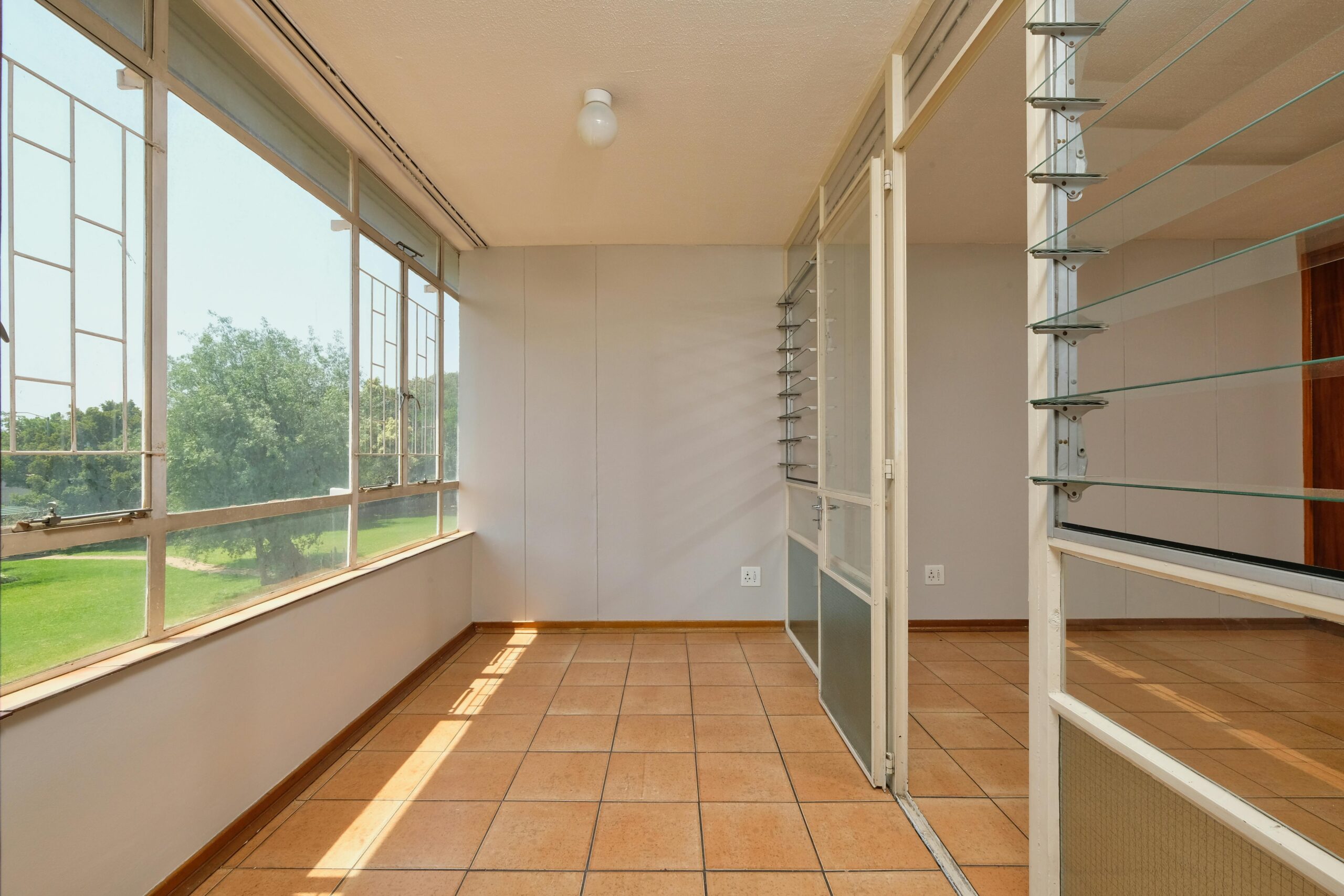
Partition strategies balance acoustical privacy needs with ventilation requirements. Full-height walls severely restrict airflow, effectively creating separate ventilation zones. Instead, partial-height partitions ranging from 1.2 to 1.8 meters maintain visual and acoustical separation while permitting air circulation above head height. Glass partitions preserve sightlines and psychological openness while allowing designers to incorporate transom windows for dedicated airflow paths.
Furniture and Layout Considerations
Workstation clusters should be arranged perpendicular to primary airflow directions rather than parallel. This configuration allows air to weave through furniture groupings, reaching all occupants rather than channeling exclusively along clear corridors. Maintaining aisles of at least 1.5 meters width ensures adequate flow capacity while supporting circulation and accessibility requirements.
Storage and equipment placement requires ventilation awareness. Tall filing cabinets, server racks, and storage units positioned near perimeter walls can block inlet or outlet openings, compromising entire ventilation strategies. Centralizing taller elements or positioning them away from critical ventilation paths preserves system effectiveness. Equipment generating significant heat should be located near exhaust points to facilitate thermal plume removal.
Seasonal Adaptation and Climate-Responsive Design
Effective natural ventilation systems adapt to seasonal variations in temperature, humidity, and wind patterns. Summer operation focuses on maximizing airflow rates to provide cooling through air movement and night-time ventilation. During hot periods, increased ventilation openings and extended operation hours flush accumulated heat from building thermal mass, preparing spaces for comfortable daytime occupation.
Winter ventilation strategies balance fresh air requirements with heat retention. Reduced opening sizes maintain adequate air quality while minimizing heat loss. Trickle ventilation through small, continuously open apertures provides baseline air exchange without drafts. Positioning winter inlets away from occupied zones prevents comfort complaints while maintaining ventilation effectiveness.
Shoulder seasons present optimal natural ventilation conditions, with moderate temperatures enabling extended periods of fully natural operation. These transitional months offer opportunities to minimize or eliminate mechanical cooling and heating, delivering maximum energy savings. Building management systems should prioritize natural ventilation during these periods, reserving mechanical backup for extreme conditions only.
Climate-Specific Considerations
Humid climates require careful moisture management alongside ventilation. High outdoor humidity can introduce unwanted moisture, potentially causing condensation and material degradation. In these environments, natural ventilation functions best during lower-humidity periods, typically early morning hours. Dehumidification equipment may supplement natural systems during extremely humid conditions while still achieving overall energy savings.
Arid climates enable highly effective natural ventilation with minimal moisture concerns. However, dust and particulate matter may require filtration at air inlets. Simple mesh screens or more sophisticated filtration media protect interior spaces while maintaining airflow capacity. Night ventilation proves particularly valuable in desert climates, where dramatic temperature swings between day and night enable substantial thermal mass cooling.
Temperate climates with moderate temperatures and humidity offer ideal natural ventilation conditions for extended annual periods. These regions support year-round ventilation strategies with seasonal adjustments, maximizing natural system utilization. Buildings in temperate zones can achieve 60-80% natural ventilation hours annually through proper design and operation.
🔧 Control Systems and Operational Strategies
Manual control systems empower occupants to adjust ventilation based on immediate comfort perceptions. Simple operable windows and vents provide direct control, fostering user satisfaction through environmental influence. However, manual systems depend on occupant engagement and knowledge, potentially resulting in suboptimal operation if users lack understanding of effective ventilation strategies.
Automated building management systems optimize natural ventilation through sensor-driven controls. Temperature, humidity, CO2, and wind speed sensors inform algorithms that adjust openings for ideal conditions. These systems respond faster than manual operation and maintain optimal settings continuously, maximizing energy savings while ensuring comfort. Integration with weather forecasting enables proactive adjustments based on predicted conditions.
Hybrid approaches combining manual and automated controls balance user autonomy with system optimization. Occupants retain override capability for immediate adjustments while automation handles baseline operation. This strategy proves particularly effective in commercial settings where building managers establish overall parameters while individual zones maintain local control options.
Monitoring and Performance Verification
Continuous monitoring validates natural ventilation performance and identifies improvement opportunities. Indoor air quality sensors tracking CO2 concentrations confirm adequate ventilation rates, with levels below 1000 ppm indicating sufficient fresh air delivery. Temperature and humidity sensors throughout spaces reveal distribution patterns and potential dead zones requiring design modifications.
Airflow visualization through computational fluid dynamics (CFD) modeling predicts ventilation patterns before construction. These simulations identify problematic zones and optimize opening locations, sizes, and configurations. Post-occupancy validation through physical measurements confirms modeling accuracy and guides any necessary adjustments. Tracer gas testing quantifies actual air change rates, providing definitive performance metrics.
Overcoming Common Challenges and Obstacles ⚡
Acoustic concerns frequently arise in naturally ventilated buildings, particularly urban locations with high exterior noise levels. Sound transmission through ventilation openings can compromise interior acoustical comfort. Solutions include positioning openings away from noise sources, incorporating acoustic baffles or labyrinths that attenuate sound while maintaining airflow, and using automated systems that close openings during peak noise periods.
Security requirements may conflict with natural ventilation needs, especially ground-level openings. Operable grilles with robust locking mechanisms balance security with ventilation functionality. Upper-level windows above accessible heights reduce security risks while maintaining effective stack ventilation. Integration with building security systems enables coordinated operation that maintains protection while maximizing ventilation opportunities.
Weather protection prevents rain infiltration through ventilation openings. External louvers, overhangs, and rain screens shield openings from direct precipitation while permitting airflow. Automated closing mechanisms respond to rain sensors, securing openings during storms. Proper detailing around openings with drainage paths manages any minor water entry without interior damage.
Addressing Thermal Comfort Variability
Natural ventilation inherently produces greater temperature variability than mechanical systems. While many occupants accept and even prefer this connection to outdoor conditions, some individuals may find variations uncomfortable. Adaptive comfort standards recognize that occupants in naturally ventilated buildings tolerate wider temperature ranges, typically accepting temperatures 2-3°C beyond mechanically conditioned comfort zones.
Supplemental systems address extreme conditions exceeding natural ventilation capabilities. Ceiling fans extend the effective temperature range by approximately 3°C through increased air movement. Radiant cooling or heating systems provide thermal comfort without disrupting natural airflow patterns. These hybrid approaches maintain natural ventilation as the primary strategy while ensuring comfort during extreme weather.
Energy Savings and Environmental Benefits 🌱
Natural ventilation delivers substantial energy reductions by eliminating or minimizing mechanical cooling and ventilation fan operation. Studies document energy savings ranging from 30% to 70% compared to fully mechanically ventilated buildings, with specific performance depending on climate, building design, and operational strategies. These savings translate directly to reduced operating costs and lower carbon emissions.
Peak demand reduction represents an additional economic benefit. Natural ventilation reduces cooling loads during afternoon hours when electricity rates peak and grid demand strains capacity. This load shifting benefits both individual building operators through lower utility bills and broader power infrastructure by easing generation and distribution requirements.
Life-cycle environmental impacts favor natural ventilation through reduced equipment manufacturing, installation, and eventual disposal requirements. Simpler mechanical systems with smaller capacities require fewer material resources and generate less embodied carbon. Maintenance requirements decrease correspondingly, further reducing environmental footprints throughout building lifespans.
Health and Productivity Advantages for Occupants
Indoor air quality improvements through natural ventilation deliver measurable health benefits. Higher ventilation rates dilute indoor pollutants more effectively than minimum mechanical ventilation, reducing concentrations of volatile organic compounds, particulates, and biological contaminants. Fresh outdoor air introduction combats sick building syndrome symptoms, decreasing occupant health complaints and absenteeism.
Connection to outdoor conditions provides psychological benefits through environmental variability and sensory richness. Occupants perceive naturally ventilated spaces as more pleasant and report higher satisfaction levels compared to sealed, mechanically ventilated buildings. These subjective improvements correlate with objective productivity measurements, with studies documenting 5-15% productivity gains in naturally ventilated environments.
Thermal comfort control influences occupant satisfaction significantly. When individuals can adjust their local environment through operable windows or controls, satisfaction increases substantially even if actual temperatures remain unchanged. This perception of control empowers occupants and reduces comfort complaints, creating more harmonious building operation.
Future Innovations and Emerging Technologies 🚀
Smart facade systems integrate responsive elements that automatically adjust based on environmental conditions. Kinetic louvers, dynamic shading, and morphing apertures optimize ventilation while managing solar gains and glare. These facades function as building-scale environmental filters, continuously tuning performance for current conditions while anticipating future needs through predictive algorithms.
Phase change materials embedded in building thermal mass enhance natural ventilation effectiveness by storing and releasing heat strategically. These materials absorb excess heat during warm periods and release it during cooler times, moderating temperature swings and extending comfortable natural ventilation hours. Integration with night ventilation strategies maximizes benefits by purging stored heat during cool evening hours.
Artificial intelligence and machine learning algorithms optimize natural ventilation operation through pattern recognition and predictive modeling. These systems learn building-specific performance characteristics and occupant preferences, refining control strategies continuously. AI-driven optimization balances multiple objectives simultaneously, including energy efficiency, comfort, air quality, and acoustics, achieving superior outcomes compared to traditional control algorithms.
Natural ventilation represents a fundamental strategy for sustainable building design, offering significant energy savings, improved indoor environmental quality, and enhanced occupant satisfaction. Spacious atriums and open floor plans provide ideal conditions for harnessing airflow, with proper design and operation unlocking their full potential. As climate concerns intensify and energy costs rise, natural ventilation will increasingly define high-performance architecture that serves both human needs and environmental stewardship.