Modern technology is transforming how we collect, analyze, and interpret environmental data through advanced radar, satellite, and camera cloud models that deliver unprecedented accuracy and accessibility. 🌍

The Dawn of a New Era in Environmental Monitoring
The convergence of radar technology, satellite imaging, and cloud-based camera systems has created a powerful ecosystem for data collection and analysis. These three technologies, when combined, offer complementary strengths that address the limitations of individual systems. Radar penetrates clouds and operates in any weather condition, satellites provide global coverage and consistent temporal resolution, while camera networks deliver high-resolution visual data at ground level.
Organizations across industries—from agriculture and meteorology to urban planning and disaster management—are discovering that integrating these technologies creates synergies that exponentially increase the value of collected data. The cloud infrastructure supporting these systems enables real-time processing, storage, and distribution of massive datasets that would have been impossible to handle just a decade ago.
Understanding Radar Technology in Modern Data Collection ⚡
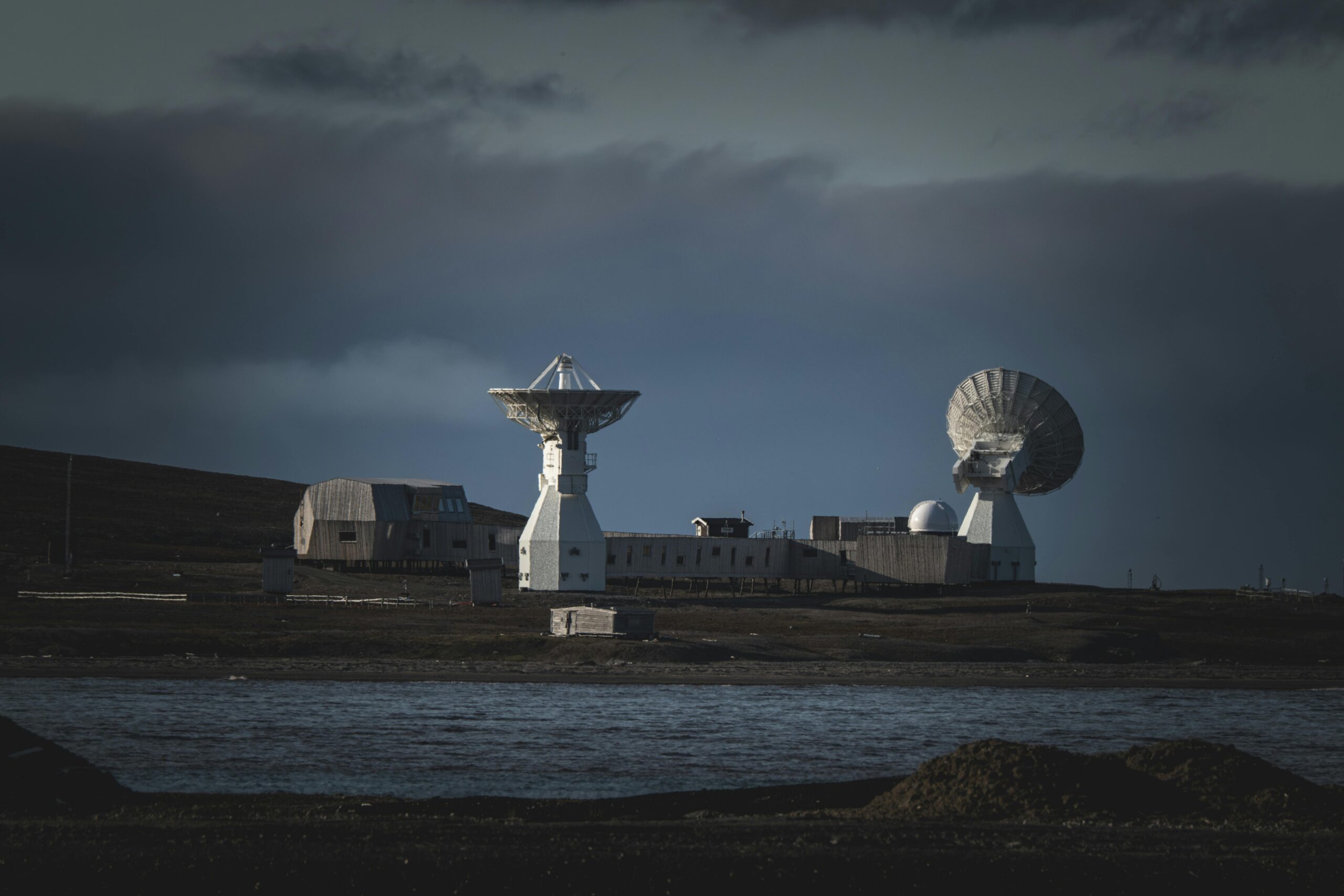
Radar systems have evolved significantly from their military origins to become indispensable tools for civilian applications. Modern weather radar networks use Doppler technology to detect precipitation intensity, wind patterns, and storm movement with remarkable precision. These systems transmit electromagnetic waves that bounce off atmospheric particles, providing data about distance, velocity, and composition of weather phenomena.
The all-weather capability of radar makes it particularly valuable for continuous monitoring. Unlike optical systems that require clear skies, radar operates effectively through clouds, fog, rain, and even at night. This reliability ensures uninterrupted data streams essential for applications requiring constant surveillance, such as severe weather tracking, aviation safety, and maritime navigation.
Advanced Radar Applications Beyond Weather
Ground-penetrating radar has revolutionized archaeological surveys and infrastructure inspection, revealing buried structures without excavation. Synthetic Aperture Radar (SAR) satellites monitor ground deformation with millimeter-level precision, detecting early warning signs of landslides, earthquakes, and subsidence. Agriculture benefits from radar’s ability to measure soil moisture through vegetation canopy, informing irrigation decisions and crop management strategies.
The integration of artificial intelligence with radar data processing has unlocked new capabilities. Machine learning algorithms now automatically classify precipitation types, identify severe weather signatures, and predict storm evolution with increasing accuracy. These AI-enhanced systems reduce the cognitive load on human operators while improving detection rates for critical events.
Satellite Imagery: The Global Perspective 🛰️
Earth observation satellites provide a comprehensive view of our planet that no ground-based system can match. Modern satellite constellations capture imagery across multiple spectral bands—from visible light through infrared to microwave frequencies—each revealing different aspects of the environment. This multi-spectral approach enables applications ranging from vegetation health monitoring to ocean temperature mapping and urban heat island detection.
The temporal resolution of satellite systems has improved dramatically. Where once we relied on weekly or monthly passes, modern constellations with dozens of satellites can revisit the same location multiple times daily. This frequent coverage enables near-real-time monitoring of dynamic phenomena like wildfires, floods, and agricultural conditions.
Commercial Satellite Revolution
The democratization of satellite data represents one of the most significant shifts in environmental monitoring. Companies like Planet Labs operate fleets of small satellites that image the entire Earth daily at three-meter resolution. This commercial availability has opened satellite analysis to small businesses, researchers, and organizations that previously couldn’t afford such capabilities.
High-resolution commercial satellites now achieve sub-meter pixel sizes, revealing individual vehicles, buildings, and even crop rows. Combined with archive data extending back decades, analysts can track long-term changes in land use, urban expansion, deforestation, and coastal erosion with unprecedented detail and temporal depth.
Camera Cloud Networks: Eyes on the Ground 📸
While radar and satellites monitor from above, ground-based camera networks provide the detailed visual context that makes data actionable. Smart camera systems deployed across cities, highways, agricultural fields, and natural areas continuously capture high-definition imagery that feeds into cloud-based analysis platforms. These networks transform passive surveillance into active intelligence gathering.
Modern camera systems incorporate edge computing that performs initial processing locally before transmitting relevant data to the cloud. This approach reduces bandwidth requirements while enabling real-time response to detected events. Cameras can autonomously identify traffic incidents, monitor wildlife, detect smoke from fires, or track phenological changes in vegetation.
Integration with Internet of Things (IoT)
Camera networks increasingly connect with broader IoT ecosystems that include environmental sensors, weather stations, and data loggers. This integration creates multi-modal datasets where visual information complements numerical measurements. For example, a camera detecting visible plant stress can be correlated with soil moisture sensors and satellite vegetation indices to diagnose the exact cause and extent of the problem.
The cloud infrastructure supporting these camera networks enables sophisticated applications like time-lapse analysis of construction projects, crowd density estimation for event management, and automated wildlife population surveys. Computer vision algorithms trained on millions of images can now identify species, count individuals, and detect behaviors with accuracy matching or exceeding human observers.
The Cloud Computing Foundation ☁️
None of these technologies would reach their full potential without cloud computing infrastructure that provides scalable storage, processing power, and distribution networks. Cloud platforms handle the enormous data volumes generated by modern sensor networks—petabytes of information collected daily from thousands of sources worldwide.
Cloud-based analysis tools democratize access to sophisticated processing capabilities. Users without specialized hardware or software expertise can apply complex algorithms to massive datasets through intuitive web interfaces. Pre-trained machine learning models, available as cloud services, enable rapid deployment of advanced analysis without the time and expense of developing custom solutions.
Real-Time Processing and Edge Computing
The evolution toward edge computing addresses latency requirements for time-critical applications. By performing initial processing at data collection points, edge systems reduce the delay between observation and actionable intelligence. Cloud platforms then aggregate results from distributed edge nodes, providing both immediate local response and comprehensive global analysis.
This hybrid architecture proves particularly valuable for disaster response, where seconds matter. Early warning systems can detect tornado signatures in radar data, identify fire smoke in camera feeds, or recognize flood conditions in satellite imagery, then immediately alert affected populations through multiple communication channels—all within minutes of the initial observation.
Synergistic Integration: The Whole Exceeds the Sum
The true revolution emerges when radar, satellite, and camera data combine within integrated analysis platforms. Each technology compensates for others’ limitations while reinforcing their strengths. Satellites provide broad coverage but may miss details obscured by clouds; radar penetrates those clouds but lacks visual context; cameras deliver that context but only for specific locations.
Fusion algorithms merge these complementary datasets into unified products that exceed what any single source could provide. A weather forecaster sees satellite cloud patterns, radar-detected precipitation cores, and camera-confirmed ground conditions simultaneously. An agricultural analyst views satellite vegetation indices, radar soil moisture estimates, and camera images of actual crop appearance in one integrated platform.
Case Study: Severe Weather Monitoring
Consider severe weather monitoring as an example of effective integration. Satellites detect developing storm systems hours before they threaten populated areas. As storms approach, radar networks track their structure, intensity, and movement with minute-by-minute updates. Ground camera networks confirm conditions at specific locations—heavy rain, hail, flooding, or tornado touchdowns—providing visual validation that informs emergency response decisions.
This layered approach dramatically improves forecast accuracy and warning lead times. Forecasters gain confidence in predictions when multiple independent data sources agree. The general public benefits from more accurate warnings with fewer false alarms, improving compliance with protective action recommendations.
Transforming Industries Through Better Data 📊
Agriculture has embraced precision farming techniques enabled by integrated monitoring systems. Farmers access satellite-derived vegetation health maps, radar soil moisture data, and camera-based growth stage assessments through unified platforms. This information guides variable-rate application of water, fertilizer, and pesticides, reducing costs while improving yields and environmental sustainability.
Urban planning leverages these technologies to create smarter, more resilient cities. Satellite thermal imagery identifies heat islands requiring more green space. Camera networks monitor traffic patterns informing infrastructure improvements. Radar systems provide accurate precipitation data for stormwater management design. Together, these data streams support evidence-based decision making that improves quality of life for urban residents.
Environmental Conservation Applications
Conservation organizations use integrated monitoring to protect endangered species and ecosystems. Satellites track habitat changes over vast areas. Camera traps document wildlife presence and behavior. Radar detects illegal logging activities in remote forests. This comprehensive monitoring enables rapid response to threats while providing the documentation necessary for advocacy and policy development.
Marine conservation particularly benefits from satellite radar’s ability to detect illegal fishing vessels and oil spills regardless of weather conditions. Combined with optical satellite imagery and camera-equipped patrol vessels, enforcement agencies can monitor vast ocean areas more effectively than ever before, protecting vulnerable marine ecosystems and fisheries.
Artificial Intelligence: The Force Multiplier 🤖
Artificial intelligence and machine learning have become essential components of modern data analysis platforms. The volume of data generated by radar, satellite, and camera networks far exceeds human processing capacity. AI algorithms automatically extract meaningful patterns, detect anomalies, and generate insights from this flood of information.
Deep learning models trained on millions of labeled examples can now identify objects, classify land cover, predict weather patterns, and detect changes with superhuman consistency and speed. These models continuously improve as they process more data, creating a virtuous cycle where better algorithms enable more sophisticated applications, which generate more training data, leading to further improvements.
Predictive Analytics and Forecasting
Machine learning excels at identifying subtle patterns in historical data that correlate with future outcomes. Predictive models trained on decades of satellite, radar, and ground observations can forecast crop yields weeks before harvest, predict flood risk days before storms arrive, or estimate wildfire probability based on vegetation moisture and weather patterns.
These predictions enable proactive rather than reactive management. Farmers can secure favorable commodity contracts based on confident yield forecasts. Emergency managers can pre-position resources before disasters strike. Utility companies can anticipate demand and prevent outages. The economic value of these capabilities runs into billions of dollars annually.
Overcoming Implementation Challenges
Despite tremendous potential, integrating radar, satellite, and camera data presents significant challenges. Different sensors produce data in incompatible formats with varying spatial resolutions, temporal frequencies, and coordinate systems. Harmonizing these diverse datasets requires sophisticated preprocessing and standardization workflows.
Data quality and validation remain ongoing concerns. Sensors malfunction, calibration drifts over time, and atmospheric conditions introduce errors. Robust quality control procedures must identify and correct these issues before they contaminate analysis results. Cloud platforms increasingly incorporate automated quality checks that flag suspicious data for human review.
Privacy and Security Considerations
High-resolution imaging and pervasive monitoring raise legitimate privacy concerns. Camera networks recording public spaces must balance security benefits against individual privacy rights. Clear policies governing data collection, retention, and access help maintain public trust while enabling beneficial applications.
Cybersecurity presents another critical challenge. Sensor networks and cloud platforms represent attractive targets for malicious actors seeking to disrupt critical infrastructure or access sensitive information. Multi-layered security approaches including encryption, authentication, and intrusion detection protect these systems while maintaining functionality and accessibility for authorized users.
The Path Forward: Emerging Technologies and Trends 🚀
The next generation of monitoring systems will leverage emerging technologies that further enhance capabilities. Quantum computing promises to revolutionize data processing, solving optimization problems currently beyond reach. Advanced AI techniques like reinforcement learning will enable autonomous systems that adapt strategies based on changing conditions without human intervention.
Miniaturization continues to reduce sensor costs while improving performance. Cube satellites smaller than a shoebox now carry imaging systems rivaling traditional satellites weighing tons. Drone-mounted sensors bridge the gap between satellites and ground cameras, providing on-demand high-resolution data for specific areas of interest.
Democratization and Global Access
Perhaps the most significant trend is the continued democratization of these technologies. Open data policies from government agencies and commercial providers make vast archives of satellite and radar data freely available. Cloud computing eliminates the need for expensive local infrastructure. User-friendly interfaces enable non-experts to leverage sophisticated analysis tools.
This accessibility particularly benefits developing nations where environmental monitoring infrastructure has traditionally lagged behind developed countries. Farmers in Africa can access the same satellite vegetation indices used by industrial operations in North America. Meteorological services in small island nations can incorporate sophisticated radar data into their forecasts. This global access to technology promotes equity while advancing shared goals of food security, disaster resilience, and environmental sustainability.
Empowering Decision Makers Through Better Information
The ultimate value of these technologies lies not in the data itself, but in the improved decisions they enable. When decision makers—whether farmers, urban planners, emergency managers, or conservation officers—have access to accurate, timely, comprehensive information, they can act more confidently and effectively. Better information reduces uncertainty, revealing opportunities and risks that would otherwise remain hidden.
The integration of radar, satellite, and camera cloud models represents more than technological advancement; it fundamentally changes our relationship with the environment. We move from passive observation to active understanding, from reactive response to proactive management. This transformation touches every sector of society, promising a future where data-driven insights guide us toward more sustainable, resilient, and prosperous communities worldwide. 🌟