Choosing the right environmental sensors transforms how we monitor and respond to climate conditions, whether you’re managing a smart home, agricultural operation, or industrial facility.

🌡️ Understanding the Foundation of Climate Monitoring
Climate control systems have evolved dramatically over the past decade, shifting from simple thermostats to sophisticated networks of interconnected sensors that provide real-time data about multiple environmental parameters. The foundation of any effective climate control strategy begins with accurate sensing technology that captures temperature, humidity, wind speed, and precipitation data with precision and reliability.
Modern environmental monitoring demands more than just basic measurements. Today’s sensors must deliver consistent accuracy across varying conditions, withstand harsh environments, integrate seamlessly with digital systems, and provide actionable data that enables automated responses. Whether you’re protecting sensitive equipment, optimizing crop yields, or ensuring comfort in residential spaces, the sensors you select will directly impact your system’s effectiveness.
The investment in quality sensors pays dividends through reduced energy consumption, improved environmental control, and prevention of costly damage from unmonitored conditions. Understanding the specific requirements of your environment and application helps narrow down the vast array of available sensing technologies to those best suited for your needs.
Temperature Sensors: The Core of Climate Intelligence
Temperature measurement forms the backbone of virtually every climate control system. The selection of temperature sensors depends on several critical factors including measurement range, accuracy requirements, response time, and environmental exposure conditions.
Thermocouples for Extreme Environments
Thermocouples excel in applications requiring measurements across extreme temperature ranges, from cryogenic conditions to furnace-level heat. These sensors generate voltage through the junction of two dissimilar metals, providing a robust solution that withstands harsh industrial environments. Type K thermocouples remain the most popular choice for general-purpose applications, offering a range from -200°C to 1350°C with reasonable accuracy.
The primary advantages of thermocouples include their durability, wide temperature range, and relatively low cost. However, they require careful consideration of reference junction compensation and typically offer lower accuracy compared to other technologies, usually within ±1-2°C for standard grades.
RTDs: Precision When It Matters Most
Resistance Temperature Detectors (RTDs) provide superior accuracy and stability for applications where precision matters. These sensors measure temperature through the predictable resistance change of pure metals, typically platinum, as temperature varies. PT100 and PT1000 sensors dominate the market, offering accuracy within ±0.1°C and excellent long-term stability.
RTDs shine in pharmaceutical manufacturing, food processing, and laboratory environments where regulatory compliance and precise temperature control are non-negotiable. While more expensive than thermocouples, their accuracy and repeatability justify the investment for critical applications.
Thermistors and Digital Solutions
Thermistors provide excellent sensitivity and accuracy over limited temperature ranges, typically -50°C to 150°C. These semiconductor devices exhibit large resistance changes with small temperature variations, making them ideal for residential HVAC systems, consumer electronics, and automotive applications.
Digital temperature sensors, such as those using I2C or SPI communication protocols, integrate sensing elements with analog-to-digital conversion and digital interfaces. These solutions simplify system design, reduce wiring complexity, and often include built-in calibration data for improved accuracy without external compensation circuits.
💧 Humidity Sensing: Mastering Moisture Management
Humidity control impacts everything from human comfort and health to product quality and equipment longevity. Selecting appropriate humidity sensors requires understanding both relative humidity (RH) and dew point requirements for your specific application.
Capacitive Humidity Sensors
Capacitive sensors dominate modern humidity measurement applications due to their excellent balance of performance, cost, and reliability. These sensors measure the capacitance change of a hygroscopic dielectric material as it absorbs or releases moisture. Quality capacitive sensors achieve ±2% RH accuracy across a 0-100% RH range with good long-term stability.
The technology works well in most indoor environments and many outdoor applications when properly protected. Regular calibration ensures continued accuracy, particularly in environments with chemical contaminants or extreme conditions that can affect the sensing element over time.
Resistive Humidity Sensors
Resistive sensors measure the resistance change of salt-based or conductive polymer films as humidity varies. While generally less expensive than capacitive alternatives, they offer lower accuracy (typically ±3-5% RH) and exhibit greater sensitivity to temperature variations and contaminants.
These sensors suit applications where cost constraints outweigh precision requirements, such as basic climate monitoring in non-critical environments or consumer-grade weather stations.
Dew Point and Specialized Humidity Measurements
Some applications require dew point measurement rather than relative humidity, particularly in industrial drying processes, compressed air systems, and applications where condensation prevention is critical. Chilled mirror sensors provide reference-grade accuracy for dew point measurement but come with higher costs and maintenance requirements.
For most practical applications, calculating dew point from combined temperature and RH measurements provides sufficient accuracy while simplifying system design and reducing costs.
🌪️ Wind Sensing Technologies for Every Scale
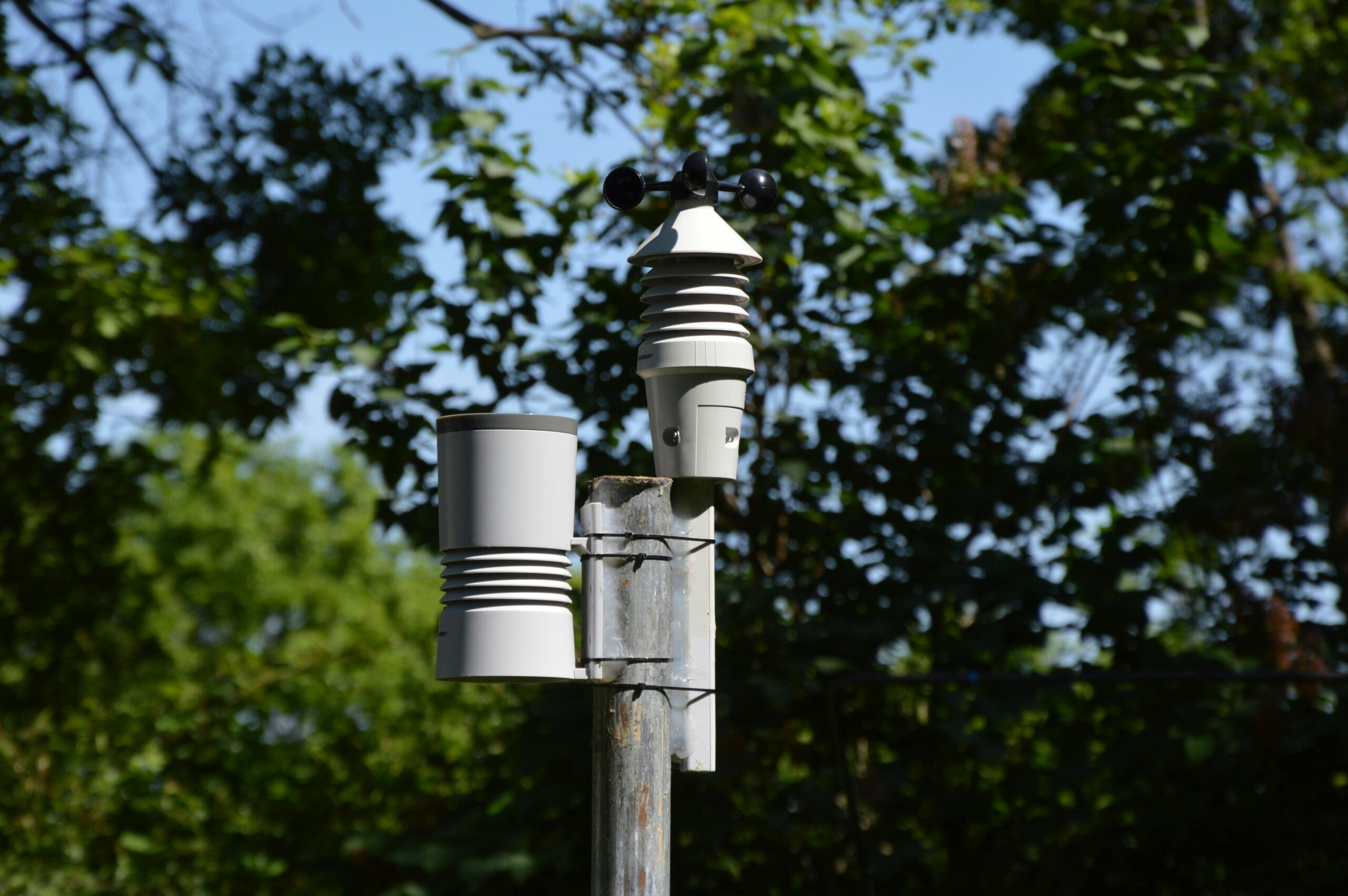
Wind measurement encompasses both speed (anemometry) and direction, with sensor selection heavily influenced by installation environment, required accuracy, and maintenance accessibility.
Mechanical Anemometers
Cup anemometers have measured wind speed for over a century, using rotating cups to drive a generator or encoder that produces signals proportional to wind speed. These sensors offer excellent accuracy, typically ±0.3 m/s or ±3% of reading, with proven reliability in meteorological applications.
The primary considerations with mechanical anemometers include bearing wear, threshold speed (minimum wind required to overcome friction), and potential icing in cold climates. Regular maintenance ensures continued accuracy, though quality instruments with precision bearings can operate for years with minimal intervention.
Ultrasonic Wind Sensors
Ultrasonic anemometers measure wind by calculating the time difference for ultrasonic pulses traveling between transducer pairs. With no moving parts, these sensors eliminate bearing wear and maintenance requirements while providing simultaneous wind speed and direction measurement.
The technology excels in harsh environments, coastal installations, and applications requiring high reliability with minimal maintenance. Two-dimensional sensors measure horizontal wind components, while three-dimensional versions capture vertical wind movement for meteorological research and specialized applications.
Thermal and Hot-Wire Anemometers
Thermal anemometers measure wind speed through the cooling effect of air movement on a heated element. These sensors excel at measuring low wind speeds with high resolution, making them ideal for indoor airflow measurement, HVAC balancing, and cleanroom monitoring.
The technology requires careful consideration of temperature and humidity effects on accuracy, and the exposed heating elements can be sensitive to contamination in dusty or dirty environments.
☔ Rain Sensors: Detecting and Measuring Precipitation
Precipitation sensing ranges from simple rain detection for automated responses to precise measurement for meteorological and hydrological applications.
Tipping Bucket Rain Gauges
Tipping bucket mechanisms remain the standard for precipitation measurement, offering reliable quantitative data with simple operation. These devices collect rainfall in small buckets that tip when filled to a predetermined volume (typically 0.2mm or 0.01 inches of rainfall), triggering a magnetic switch or optical sensor.
The technology provides excellent resolution and accuracy for most applications, with accumulated rainfall calculated by counting tips over time. Proper installation ensures the gauge remains level, and periodic cleaning prevents debris from affecting accuracy.
Optical and Capacitive Rain Sensors
Optical rain sensors detect water droplets through infrared beam attenuation or light reflection changes on a sensing surface. These devices provide fast response for automated systems like vehicle windshield wipers or irrigation control but generally don’t quantify rainfall amounts.
Capacitive rain sensors detect moisture through capacitance changes on exposed electrodes, offering similar detection capabilities with different sensitivity characteristics. Both technologies work well for presence detection but require tipping bucket or weighing mechanisms for quantitative measurement.
Weighing Precipitation Gauges
Weighing gauges measure accumulated precipitation mass using load cells, capturing rain, snow, and mixed precipitation with equal effectiveness. This technology excels in cold climates where frozen precipitation complicates other measurement methods.
The higher cost and complexity of weighing gauges limit their use to applications requiring all-season precipitation data or research-grade measurements. Proper wind shielding improves accuracy by reducing measurement errors from wind-induced turbulence around the gauge opening.
🏗️ Environmental Considerations for Sensor Selection
Matching sensors to environmental conditions ensures reliable long-term operation and accurate measurements across the full range of expected conditions.
Indoor Versus Outdoor Installation
Indoor sensors operate in controlled environments with stable temperatures, minimal moisture exposure, and protection from UV radiation and physical damage. This allows specification of less ruggedized sensors with tighter accuracy specifications at lower costs.
Outdoor sensors must withstand temperature extremes, moisture exposure including direct precipitation, UV degradation, wind forces, and potential impact from debris or wildlife. Appropriate enclosure ratings (IP65 or higher for most outdoor applications) protect sensitive electronics while allowing necessary exposure for accurate sensing.
Extreme Temperature Environments
Cold environments present unique challenges including sensor freezing, battery performance degradation, and moisture condensation during temperature cycles. Heated enclosures, specialized cold-weather sensors, and proper installation techniques mitigate these issues.
High-temperature environments require sensors rated for extended temperature operation, with consideration for thermal management of associated electronics. Some applications benefit from remote sensing arrangements that place sensitive electronics in controlled environments while only exposing the sensing element to extreme conditions.
Corrosive and Contaminated Atmospheres
Coastal installations, industrial facilities, and agricultural environments expose sensors to corrosive substances or particulate contamination. Stainless steel or specialized coating protections extend sensor life, while regular maintenance prevents contamination buildup that affects accuracy.
Chemical compatibility between sensing materials and expected atmospheric contaminants prevents premature failure and maintains measurement accuracy throughout the sensor’s operational life.
📊 Integration and Data Management Strategies
Modern climate control systems depend on seamless integration between sensors, control systems, and data management platforms. Sensor selection must consider communication protocols, data formats, and compatibility with existing infrastructure.
Communication Protocols and Standards
Common sensor communication methods include analog outputs (4-20mA, 0-10V), digital protocols (Modbus RTU/TCP, I2C, SPI), and wireless technologies (WiFi, Bluetooth, LoRaWAN, cellular). Protocol selection balances factors including communication distance, power consumption, data rate requirements, and existing system infrastructure.
Standardized protocols simplify integration and future expansion, while proprietary systems may offer specific advantages in performance or features at the cost of vendor lock-in and limited compatibility.
Power Management Considerations
Sensor power requirements significantly impact system design, particularly for remote installations or battery-powered applications. Ultra-low-power sensors with sleep modes extend battery life from months to years, while continuous-measurement applications may require solar panels, larger battery banks, or wired power connections.
Power consumption encompasses both the sensor’s active measurement current and any communication or data logging power requirements. Total system power budgets must account for all components to ensure reliable operation between maintenance intervals.
Data Quality and Calibration
Maintaining measurement accuracy requires periodic calibration against reference standards, with calibration intervals determined by manufacturer specifications, regulatory requirements, and observed drift rates. Some sensors include built-in calibration features or automated compensation algorithms that extend intervals between manual calibration procedures.
Data validation techniques identify sensor failures, communication errors, or anomalous readings that could trigger inappropriate control responses. Implementing reasonableness checks, rate-of-change limits, and redundant sensor comparisons improves system reliability and data quality.
💰 Cost-Benefit Analysis for Sensor Investment
Effective sensor selection balances initial purchase costs against total ownership expenses including installation, calibration, maintenance, and replacement over the system’s operational lifetime.
Higher-quality sensors with better accuracy specifications and longer operational lifetimes often justify their premium pricing through reduced maintenance requirements, fewer false alarms, and improved control system performance. The total cost of ownership calculation should include energy savings from optimized control, prevented damage from environmental excursions, and labor costs for sensor maintenance and calibration.
Application-specific requirements drive value determination—agricultural operations may prioritize wide-area coverage and cost-effectiveness over laboratory-grade accuracy, while pharmaceutical manufacturing demands validated sensors with full traceability and regulatory compliance regardless of cost considerations.
🔄 Future-Proofing Your Climate Monitoring System
Technology evolution and changing requirements make system expandability and upgrade potential important selection criteria. Modular sensor designs, standardized communication protocols, and open-architecture data systems facilitate future expansion and technology refresh without complete system replacement.
Emerging technologies including MEMS-based sensors, wireless mesh networks, and artificial intelligence for predictive analytics promise improved performance and capabilities. Selecting systems with upgrade paths and avoiding obsolete technologies protects your investment and extends system useful life.
Cloud connectivity and remote monitoring capabilities add value through centralized data access, automated alerting, and analytics that identify optimization opportunities. Security considerations become critical with network-connected sensors, requiring proper authentication, encryption, and network segmentation to protect against cyber threats.
🎯 Making Your Final Sensor Selection
Successful sensor selection synthesizes technical requirements, environmental conditions, integration needs, and budget constraints into a comprehensive specification that balances competing priorities. Creating a detailed requirements document clarifies must-have features versus nice-to-have capabilities, guiding vendor discussions and proposal evaluation.
Pilot testing sensors in actual operating conditions validates performance claims and identifies potential issues before full-scale deployment. Small-scale trials reveal installation challenges, calibration requirements, and real-world accuracy that may differ from laboratory specifications.
Building relationships with reputable sensor manufacturers and distributors provides access to technical support, application expertise, and troubleshooting assistance that extends beyond product documentation. Vendor responsiveness and support quality often prove as valuable as the sensors themselves when addressing unexpected challenges or optimizing system performance.
The right combination of temperature, humidity, wind, and rain sensors transforms raw environmental data into actionable intelligence that drives effective climate control across any application. Thoughtful sensor selection, proper installation, and ongoing maintenance ensure your monitoring system delivers reliable, accurate data that enables optimal environmental management for years to come.