Natural ventilation transforms buildings into healthier, more sustainable spaces while reducing energy costs and environmental impact. Understanding its principles is essential for modern architecture.

🌬️ Why Natural Ventilation Matters More Than Ever
The built environment accounts for nearly 40% of global energy consumption, with a significant portion dedicated to mechanical cooling and ventilation systems. As climate concerns intensify and energy prices rise, architects, builders, and homeowners are rediscovering the timeless wisdom of natural ventilation—a strategy that harnesses wind patterns and thermal dynamics to create comfortable indoor environments without excessive mechanical intervention.
Natural ventilation isn’t merely an eco-friendly buzzword; it represents a fundamental shift in how we conceptualize building design. By working with nature rather than against it, we create structures that breathe, adapt, and respond to their environmental context. This approach delivers multiple benefits: improved indoor air quality, reduced carbon footprints, lower operational costs, and enhanced occupant wellbeing.
The COVID-19 pandemic further highlighted the critical importance of adequate ventilation in preventing airborne disease transmission. Buildings with robust natural ventilation systems demonstrated superior air exchange rates compared to their mechanically-ventilated counterparts, offering a passive defense mechanism against pathogens while maintaining occupant comfort.
Understanding the Science Behind Air Movement
Before mastering natural ventilation design, we must understand the two primary forces that drive air movement through buildings: wind-driven ventilation and buoyancy-driven (stack effect) ventilation. These mechanisms can work independently or synergistically to create effective air circulation patterns.
Wind-Driven Ventilation: Harnessing Nature’s Power
Wind creates pressure differentials around buildings. As air flows against a structure, positive pressure builds on windward surfaces while negative pressure develops on leeward sides. This pressure difference drives air through openings, creating cross-ventilation when strategically placed windows, vents, or other apertures allow airflow from high-pressure to low-pressure zones.
The effectiveness of wind-driven ventilation depends on several factors: local wind patterns, surrounding topography, nearby structures, building orientation, opening sizes and positions, and internal layout configurations. A well-designed system considers prevailing wind directions throughout different seasons and times of day.
Stack Effect: Temperature as Your Ally
Buoyancy-driven ventilation exploits the natural tendency of warm air to rise. As indoor air heats up, it becomes less dense and ascends toward higher elevations within the building. When upper-level openings permit, this warm air escapes, creating negative pressure at lower levels that draws cooler exterior air through ground-level openings.
The stack effect intensifies with greater vertical height differences between inlet and outlet openings, making it particularly effective in multi-story buildings, spaces with high ceilings, or designs incorporating vertical shafts or atriums. Temperature differentials between inside and outside air directly influence the strength of this natural convection current.
🏗️ Design Strategies for Optimal Natural Ventilation
Capturing natural ventilation requires intentional design decisions made early in the planning process. Retrofitting existing structures presents challenges, though creative solutions can improve performance even in established buildings.
Site Analysis and Building Orientation
Every successful natural ventilation strategy begins with comprehensive site analysis. Understanding microclimate conditions—including prevailing wind directions, seasonal variations, surrounding vegetation, adjacent structures, and topographical features—informs optimal building placement and orientation.
Position buildings to maximize exposure to favorable winds while providing protection from harsh weather conditions. In many climates, orienting the building’s long axis perpendicular to prevailing summer breezes facilitates cross-ventilation. Consider how surrounding landscape elements can channel, deflect, or enhance airflow toward your structure.
Strategic Opening Placement and Sizing
Window and vent placement dramatically affects ventilation performance. For cross-ventilation, position openings on opposite or adjacent walls to create clear airflow paths through occupied spaces. Inlets should face prevailing winds, while outlets should align with low-pressure zones on the building’s leeward side or upper levels.
Size matters significantly. Research indicates that outlet openings should equal or exceed inlet sizes to prevent flow restrictions. When outlets are smaller, they create bottlenecks that limit overall ventilation rates despite adequate inlet capacity. Operable windows that allow occupant control enable adjustments based on changing conditions and preferences.
Interior Layout Considerations
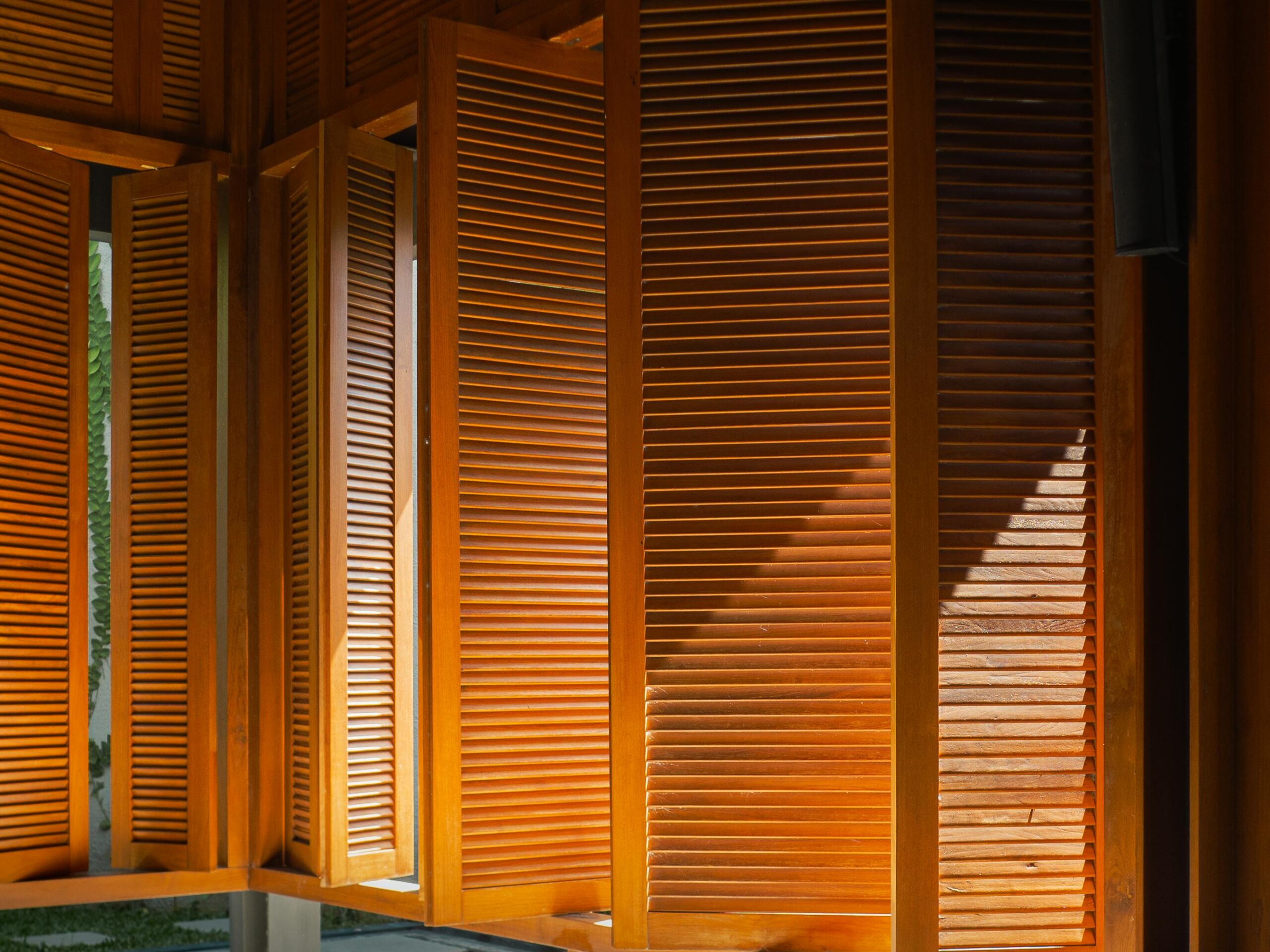
Open floor plans facilitate natural airflow, while compartmentalized layouts with solid walls obstruct air movement. When privacy or acoustic separation necessitates interior partitions, incorporate transom windows, ventilation grilles, or adjustable louvers to maintain connectivity between spaces.
Avoid placing furniture, equipment, or other obstacles directly in primary airflow paths. Interior door positioning influences circulation patterns—consider leaving doors open or installing ventilation grilles in door panels to maintain connectivity even when doors are closed.
Architectural Elements That Enhance Ventilation ✨
Specific architectural features can significantly amplify natural ventilation performance when thoughtfully integrated into building design.
Atriums and Vertical Shafts
Central atriums or vertical ventilation shafts create powerful stack effects by providing continuous vertical pathways for rising warm air. These features serve as thermal chimneys, drawing fresh air through lower-level openings while expelling stale air at higher elevations. Glazed atriums benefit from solar heat gain that intensifies the stack effect during daylight hours.
Wind Towers and Catchers
Traditional Middle Eastern architecture offers time-tested solutions through wind towers (malqafs) and wind catchers. These vertical structures capture high-altitude breezes and direct them downward into building interiors. Modern interpretations of these passive cooling devices are gaining popularity in contemporary sustainable architecture.
Clerestory Windows and Roof Monitors
Elevated window openings near rooflines provide excellent outlets for warm air while introducing natural daylighting. Clerestory windows positioned on opposite building facades create high-level cross-ventilation that doesn’t compromise ground-level privacy. Roof monitors—small raised roof sections with operable windows—serve similar functions while adding architectural interest.
Operable Skylights and Roof Vents
Strategically placed operable skylights function as highly effective exhaust points for stack ventilation systems. Automated versions with rain sensors and motorized controls can respond to weather conditions without occupant intervention. Ridge vents and turbine ventilators provide continuous outlet capacity for attic and roof spaces.
📊 Quantifying Ventilation Performance
Understanding ventilation effectiveness requires measurement and analysis. Several metrics help designers predict and evaluate natural ventilation performance.
Air Changes Per Hour (ACH)
This fundamental metric indicates how many times the entire air volume within a space is replaced each hour. Residential spaces typically require 0.35 to 1.0 ACH for adequate indoor air quality, while commercial buildings may need higher rates depending on occupancy density and activities. Natural ventilation systems should achieve target ACH values during favorable weather conditions.
Computational Fluid Dynamics (CFD) Modeling
Advanced simulation tools enable designers to visualize airflow patterns, identify stagnant zones, optimize opening configurations, and predict ventilation rates before construction begins. CFD analysis has become increasingly accessible through user-friendly software platforms, though expertise is required for accurate modeling and interpretation.
On-Site Testing and Validation
Post-occupancy evaluation confirms whether designs perform as intended. Smoke tests visualize airflow patterns, anemometers measure air velocities, and CO2 monitoring assesses ventilation adequacy. These assessments identify performance gaps and inform operational adjustments or design refinements for future projects.
Climate-Specific Ventilation Approaches 🌍
Effective natural ventilation strategies vary significantly across climate zones. What works brilliantly in Mediterranean regions may prove inadequate or problematic in tropical or temperate climates.
Hot-Humid Climates
In tropical regions, maximizing airflow velocity across skin surfaces provides physiological cooling even when air temperatures exceed comfort thresholds. Design priorities include large operable openings (often 40-80% of wall area), elevated buildings to capture breezes above ground-level obstructions, shaded openings to prevent solar heat gain, and minimal interior partitions to facilitate cross-ventilation.
Hot-Dry Climates
Desert environments benefit from nighttime ventilation strategies that flush accumulated heat from building mass. Thermal mass materials absorb daytime heat, then release it when temperatures drop after sunset. Night cooling combined with daytime shading and selective ventilation maintains comfortable conditions. Evaporative cooling through water features or wetted surfaces can supplement natural ventilation.
Temperate Climates
Regions with moderate temperatures and distinct seasons require flexible ventilation strategies that adapt to changing conditions. Designs should accommodate natural ventilation during mild weather while integrating with heating and cooling systems during extreme conditions. Operable windows with multi-position controls allow occupants to fine-tune ventilation levels based on current needs.
Cold Climates
While natural ventilation receives less emphasis in cold regions due to heat loss concerns, it remains important for indoor air quality. Strategies include heat recovery ventilators that preheat incoming fresh air using exhaust air, trickle vents that provide continuous low-level ventilation without excessive heat loss, and stack ventilation systems that minimize drafts at occupied zones while removing stale air at ceiling level.
🔄 Hybrid Systems: Balancing Natural and Mechanical Ventilation
Pure natural ventilation cannot reliably meet comfort requirements under all conditions in most climates. Hybrid or mixed-mode systems offer pragmatic solutions by combining natural ventilation when conditions permit with mechanical backup during extreme weather or high-demand periods.
These systems typically operate in three modes: natural ventilation mode when outdoor conditions are favorable, mechanical mode during extreme weather or when natural ventilation proves insufficient, and mixed mode where mechanical systems supplement natural airflow rather than replacing it entirely.
Building automation systems can manage mode transitions based on temperature sensors, air quality monitors, occupancy levels, and weather forecasts. This intelligent control optimizes energy efficiency while maintaining comfort and indoor air quality standards.
Overcoming Common Challenges and Misconceptions
Despite its benefits, natural ventilation implementation faces several obstacles that designers must address thoughtfully.
Noise Pollution Concerns
Urban locations often experience high ambient noise levels that make open windows problematic. Solutions include acoustic windows with trickle ventilators, acoustic louvres that attenuate sound while permitting airflow, buffer spaces like balconies or double-skin facades that distance occupied areas from noise sources, and strategic building orientation to minimize exposure to primary noise sources.
Security and Privacy Issues
Ground-level openings required for natural ventilation may compromise security or privacy. Address these concerns through secure ventilation grilles with small apertures that permit airflow while preventing intrusion, clerestory windows positioned above sight lines, louvers or screens that maintain airflow while obscuring views, and landscape design that creates privacy buffers around ventilation openings.
Pest and Pollutant Infiltration
Open buildings invite insects, dust, pollen, and outdoor pollutants. Mitigation strategies include fine mesh screens on all openings, air filtration at major inlets, landscape design that minimizes pollen sources near ventilation openings, and selective ventilation timing that avoids peak pollution or pollen periods.
Weather-Related Limitations
Rain, extreme temperatures, and high winds can render natural ventilation impractical or uncomfortable. Design approaches that address weather sensitivity include rain-protected openings with overhangs or hoods, automated window controls that respond to weather sensors, thermal mass strategies that buffer temperature fluctuations, and transparent fallback to mechanical systems during unsuitable conditions.
🌱 Long-Term Benefits and Performance Optimization
Buildings designed for natural ventilation deliver sustained value throughout their operational lifespans when properly maintained and operated.
Energy and Cost Savings
Reduced mechanical cooling and ventilation loads translate directly to lower energy consumption and utility costs. Studies document energy reductions of 30-70% in naturally ventilated buildings compared to fully air-conditioned equivalents. These savings compound annually, delivering substantial lifetime cost advantages despite potentially higher initial design and construction investments.
Occupant Health and Productivity
Research consistently demonstrates that naturally ventilated buildings support better health outcomes and productivity levels. Improved air quality reduces sick building syndrome symptoms, connection to outdoor conditions enhances psychological wellbeing, operable windows provide personal environmental control, and dynamic sensory environments maintain alertness better than static mechanical environments.
Operational Flexibility and Resilience
Natural ventilation systems continue functioning during power outages, require minimal maintenance compared to mechanical systems, adapt readily to changing use patterns without system modifications, and extend building useful life by reducing mechanical system replacement cycles.
Bringing It All Together: Your Ventilation Roadmap
Mastering natural ventilation requires integrating multiple design elements into a coherent strategy tailored to your specific project context. Begin with thorough site and climate analysis, establish clear performance targets for air quality and thermal comfort, develop conceptual designs that leverage both wind and stack effects, use simulation tools to refine opening configurations, detail architectural features that enhance airflow, plan for seasonal and operational flexibility, and validate performance through post-occupancy monitoring.
Remember that natural ventilation represents a partnership with nature rather than control over it. Successful designs embrace variability, provide occupant agency through operable elements, and integrate seamlessly with building functions and aesthetics. The most effective naturally ventilated buildings don’t announce their sustainable credentials through obvious technological interventions—they simply work beautifully, quietly, and efficiently.
As building codes increasingly emphasize energy performance and indoor environmental quality, natural ventilation literacy becomes essential professional knowledge for architects, engineers, and builders. Projects that capture fresh air effectively deliver immediate occupant benefits while contributing to broader sustainability goals. In an era of climate urgency and resource constraints, designing buildings that breathe naturally isn’t merely good practice—it’s an ethical imperative and competitive advantage.
The art of capturing natural ventilation combines scientific understanding with design intuition, technical knowledge with creative expression. Whether designing a new structure or renovating an existing building, opportunities exist to harness natural airflows that refresh spaces, delight occupants, and reduce environmental impacts. Your next project could demonstrate how beautifully form, function, and sustainability align when buildings welcome the breath of fresh air they—and their occupants—truly need.